
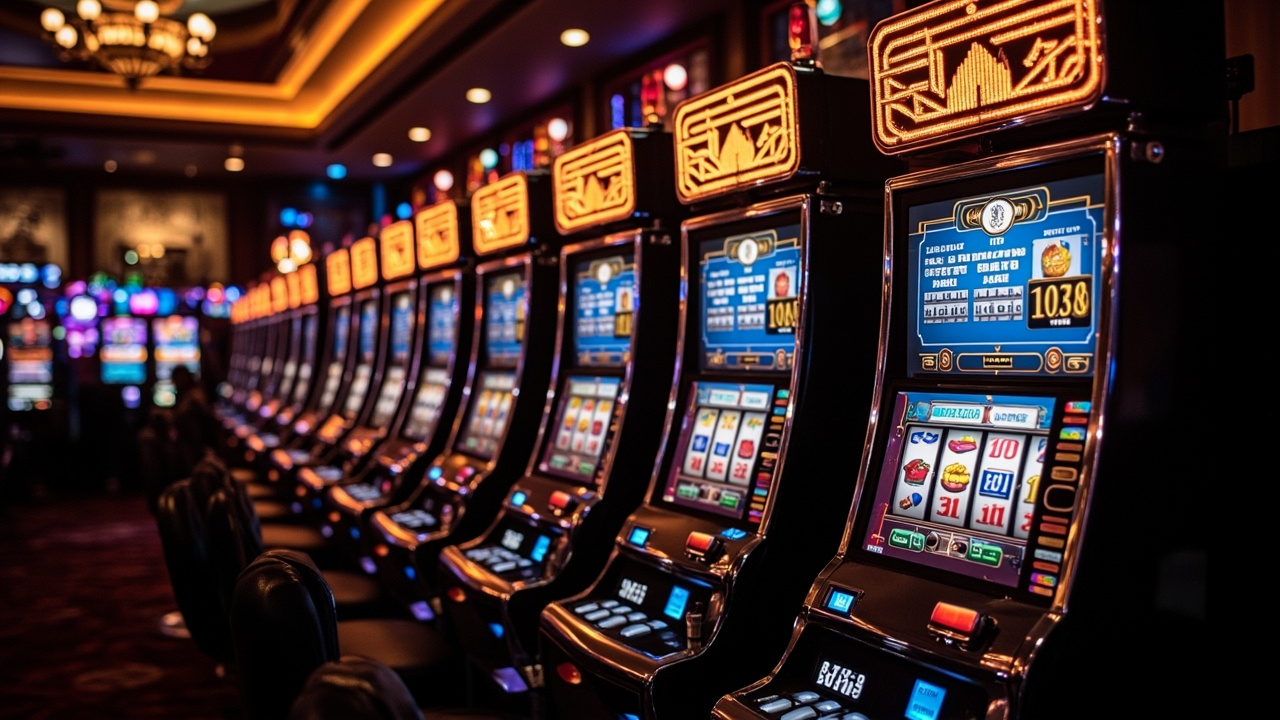
Casino games with real tables bring the felt to the screen, but the experience changes when you are sitting in Darwin rather than a London lounge.
The review focus here is plain: does the interface, localisation, and everyday usability actually hold up for an Australian adult who wants a proper table feel without the circus?
I have spent fifteen years running iGaming campaigns across twenty-plus markets and teams of a hundred and twenty, and the pattern is consistent: a slick lobby means little if the localisation is half-baked. When I have managed budgets well over a hundred million euros, the operators that survive are the ones that treat currency, language, and navigation as the product, not the decoration. Overseas, particularly in Europe and parts of the UK, the table lobby is usually built around a single, dense search bar, provider filters, and a live chat that actually answers in the local language within a minute. Down Under, the same operators often ship a stripped-back version, and that gap shows up the moment you want to find a specific blackjack variant or check a bet limit in Australian dollars. le bandit demo
For a Darwin-based player, that means the first test is whether the lobby respects your time on a slow arvo connection and whether the tables load without a parade of pop-ups. The second test is whether the game selection and bonus mechanics are written for someone who expects AUD, clear limits, and no hidden rounding on payouts. The third is whether support and loyalty feel like they belong to the same operator, not a generic call centre reading from a script. Those three tests shape everything below.
How the interface and localisation actually sit
A decent table lobby should let you spot the game, the dealer, and the limits without hunting. The visual identity matters here: strong branding, readable table graphics, and a navigation structure that keeps roulette, blackjack, and baccarat in their own lanes rather than dumping everything into one scrolling wall. When the language and currency are properly localised, you are not guessing whether a stake is in dollars or cents, and the search function should handle a specific variant name without forcing you to click through half a dozen dead ends.
That is where a demo environment earns its keep before you commit any time or money, and it is worth opening the le bandit demo to see how the lobby, table layout, and localisation behave before you trust it with a real session. A good demo lets you test the navigation, the table feel, and the loading speed on whatever device you actually use, which is the only honest way to judge everyday usability. If the search is fuzzy, the currency display is sloppy, or the mobile layout crams the table controls into a corner, you will feel it before you place a single bet.
One caveat worth hearing comes from Evie Collins, Affiliate Partnerships Director at the Pacific Player Protection Institute, who has pointed out that localisation is not just a translation exercise: it is the difference between a player understanding the stakes and a player guessing at them. Her view is that operators who treat AUD display, local language, and clear limit labels as optional end up with a lobby that looks fine but quietly frustrates anyone who actually plays regularly.
Game selection, progressive jackpots, and bonus mechanics
The game layer is where casino games with real tables either feel like a proper product or like a generic skin. A strong table offering mixes live dealers with software-based tables, keeps the providers visible, and makes the bet ranges clear before you sit down. Progressive jackpots link machines across a casino or a whole network, and when that mechanic is present on the table side it should be labelled plainly rather than buried in a terms accordion. Bonus mechanics need the same honesty: a fair offer is one where the wagering, eligible games, and any table restrictions are readable in a single pass, not hidden behind a wall of conditions that only make sense after you have already played.
Matilda Stewart, Head of Live Casino at Harbour Bet Insights, has made the point that a busy live table is not automatically a good one; she looks for consistent dealer pacing, stable stream quality, and limits that match the actual audience rather than copying a template from another market. Her take is that the operators who get table games right are the ones who stop pretending every market wants the same stakes and the same game mix, and instead build the lobby around what a local player is actually likely to sit down for.
That local angle matters in Australia because the same operator can feel completely different depending on whether the tables are tuned for casual play or for someone chasing a specific variant. A lobby that lets you filter by dealer, table limit, and game type is usually more useful than one that just shows a carousel of thumbnails. And when progressive jackpots are part of the mix, the network link should be described in plain terms so you know whether the pool is local to one property or running across a wider network.
Where this fits a real player
The right fit depends on what you want from the session. If you are the sort of player who wants a quiet table, a clear stake, and a dealer who keeps the pace steady, then the lobby should reward you with fast search, readable limits, and a mobile layout that does not make you pinch and zoom just to see the table. If you are more interested in variety and the chance that a progressive pool is ticking away in the background, then the game list and the jackpot labelling matter more than a flashy homepage. If you are playing on a phone during a break, the registration flow, payments, and support all need to feel like they belong to the same operator, not three different products glued together.


Payments and currencies should be straightforward: AUD where it matters, clear deposit and withdrawal paths, and no surprise rounding that turns a tidy stake into something else at the table. Registration should be quick without cutting corners on the checks that actually protect the player, and mobile should be treated as the main screen, not an afterthought. Support and loyalty work best when they feel connected to the same account and the same table experience, so a question about a live table or a bonus term does not land you in a generic queue reading from a script.
The verdict is simple enough: casino games with real tables are worth your time when the interface, localisation, and everyday usability are built for the player in front of the screen, not for a template copied from another market. For an Australian adult, that means AUD clarity, honest bonus terms, a lobby that finds the table you want, and a mobile experience that behaves on a real connection. When those pieces line up, the table feel is genuine; when they do not, the polish on the homepage is just polish.