
Live Blackjack For Real Money Built Around Pace, Not Just Probability
Most players treat live blackjack for real money as a numbers exercise, yet the sessions that actually hold together are the ones built around pace, clarity, and a table that fits how you play. I spend my week coaching support teams on how to handle real pressure without losing the thread, and the same discipline shows up at the felt: read the room, keep your decisions tidy, and don’t let a busy arvo rush you into a bad call.
When I walk operators through continuous improvement frameworks, I tell them to stop chasing every metric at once and pick the one that actually moves the floor. Live blackjack for real money works the same way. You want a table that keeps the action readable, the chat useful, and the pace steady enough that you can think before you press. That is the difference between a session that drifts and one you can actually manage.
If you are weighing options from Perth to the coast, the practical test is simple: does the interface keep you oriented when the shoe turns, and does the table respect the way you want to play? You can see how that thinking shapes the setup at 88fortunesau.com, where the tables are arranged around readable pacing rather than crowding every lane at once.
How The Table Actually Feels Under Pressure
A live blackjack table only earns its keep when the stream stays steady and the controls do not fight you while you decide. I have seen support desks buckle because the interface dumped too much on the screen at once, and the same thing happens at a busy table when the buttons, the chat, and the dealer feed all compete for attention. What matters is whether you can track the shoe, read the dealer’s rhythm, and place your next move without hunting through clutter.
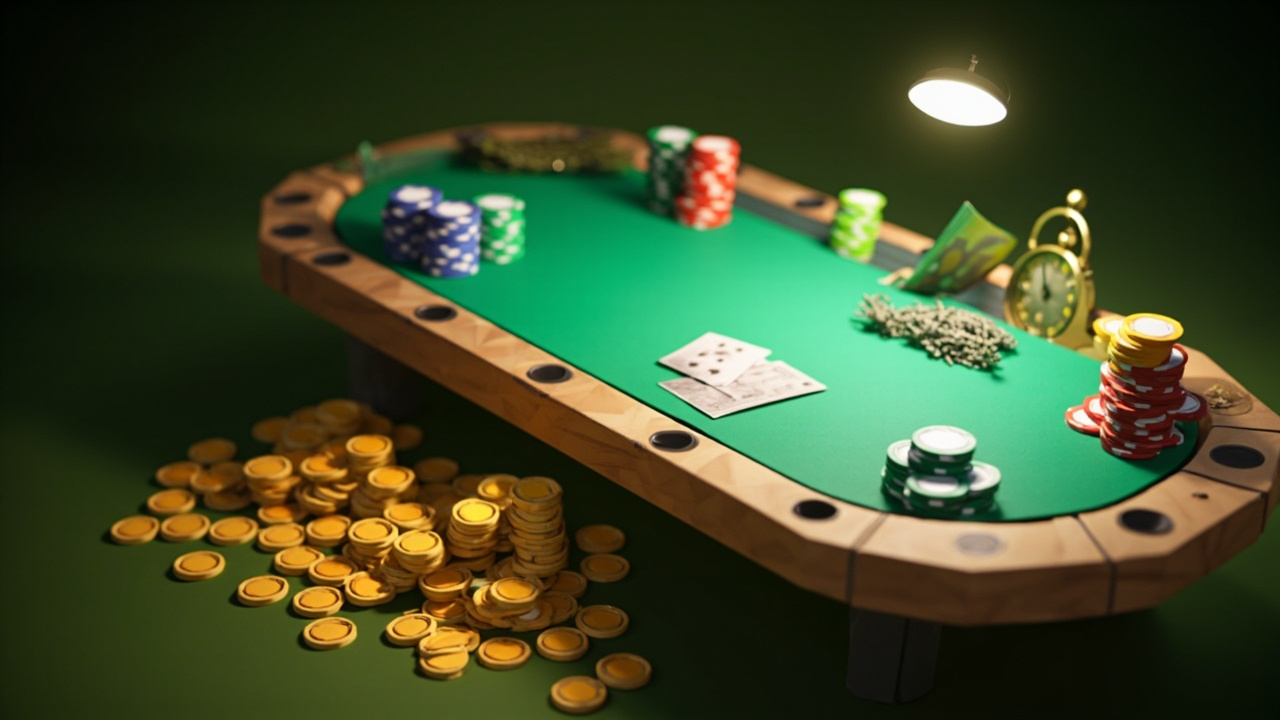
The tables that hold up are the ones that keep the layout honest. Cards sit where you expect them, the bet controls are easy to reach on a phone, and the chat stays useful rather than noisy. You want a stream that does not stutter when the table gets busy, because a laggy feed turns a measured session into guesswork. Localisation helps here too: clear language, sensible currency display, and a pace that feels natural rather than rushed.
That is where a table starts to feel like a workspace instead of a spectacle. You can follow the hand, adjust your stake, and keep your head in the game without the interface getting in the way. The test is whether you can stay organised when the pace picks up, because that is when a tidy table pays for itself.
| What to check | Good sign | Warning sign |
|---|---|---|
| Stream stability | Smooth feed during busy hands | Stutter or freeze when the table fills |
| Control placement | Bet and decision buttons easy to reach | Controls buried or crowded |
| Chat usefulness | Dealer and players stay readable | Chat drowns out the action |
| Currency display | Clear local value on stakes and payouts | Confusing or shifting display |
Localisation That Actually Helps On The Floor
A table can look polished and still miss the mark if the language, currency, and navigation do not fit the way you play. I coach teams to stop writing for a generic audience and start speaking to the person in front of them, because that is what turns confusion into confidence. Live blackjack for real money works better when the table speaks your language, shows stakes in a way you recognise, and keeps the navigation short enough that you are not fighting the screen.
Currency clarity matters more than people admit. If the display keeps switching between formats or hides the real value of a stake, you are working harder than you should be. A sensible setup keeps the numbers readable, labels the controls plainly, and lets you move between tables without losing your place. That is the kind of everyday usability that separates a table you return to from one you tolerate for a session.
Navigation should stay quiet and predictable. You want to find the game, read the table limits, and settle in without clicking through a maze. When the structure is clean, you can focus on the hand instead of the menu. That is the practical side of localisation: not a glossy label, but a setup that makes sense when you are actually playing.
Support, Payout Flow, And The Pace Of Real Play
Support is where a lot of tables reveal whether they were built for real people or just for a launch page. I have spent enough time coaching support teams to know the difference between a team that can hold a conversation and one that is just reading scripts. A live blackjack table should have help that is easy to reach, quick to understand, and calm when the question is ordinary rather than dramatic.
Payout flow matters for the same reason. You want a process that is clear about timing, honest about checks, and consistent from one withdrawal to the next. Nothing about real money play should feel like a puzzle, because the moment people start second-guessing the process, the session stops feeling manageable. A sensible operator keeps the path plain and the communication steady.
Mobile habits have made this more important, not less. A lot of play now happens on a phone during a break or after work, which means the support path and the payout flow have to work on a small screen without turning into a chore. If you are playing from Perth or anywhere else on the coast, the test is the same: can you get a straight answer quickly, and does the process stay understandable when you are not sitting at a desk?
Choosing A Table That Fits Your Own Pace
The right table is not the one with the loudest branding; it is the one that matches how you want to play. I tell operators to stop treating every player as if they want the same thing, because a setup that suits a fast session will frustrate someone who wants a steadier rhythm. Live blackjack for real money is no different. You need to decide what you are optimising for before you pick a table.
Some players want a calmer pace and a table that keeps the conversation manageable. Others want a busier feed and quicker hands. Neither is automatically better; they are just different priorities. The useful question is whether the table’s limits, the dealer’s rhythm, and the interface fit the session you actually want to have, not the one someone else is selling.
Emily Phillips, Product Analytics Lead, Kangaroo Point Analytics, puts it plainly: “The tables that keep players longest are the ones where the pace matches the player’s intent, not the other way around.” Samuel Lee, Head of Operator Partnerships, Ironbark Compliance Advisory, adds a useful caveat: “A table can feel smooth and still be a poor fit if the limits and flow do not match how people actually play.”
If you are comparing options, keep your own habits in the frame. Think about the stake range you are comfortable with, the pace you can stay focused on, and the support you would want if something goes sideways. Dylan Turner, Payments Strategy Director, Bondi Sports Data, notes that the payment side often decides whether a table stays practical: “A table is only as usable as the withdrawal path behind it, because that is where the session becomes real for the player.”
The best fit is the one that lets you play with your eyes open. Pick a table that matches your pace, keep the stakes within what you can manage, and treat the setup as a choice rather than a default. 88fortunesau.com
A good live blackjack session is less about chasing a perfect hand and more about choosing a table that keeps the pace, the clarity, and the support aligned with how you actually play. When the interface stays readable, the currency makes sense, and the help is easy to reach, the game becomes something you can manage instead of something that manages you. That is the practical appeal of live blackjack for real money: a setup built around your priorities rather than a generic pitch.